


Your child studies for a week and walks in feeling ready, yet the grade that comes home still does not match the effort. The frustrating part is that the knowledge was usually there. What slipped was test taking, the set of habits that decide whether what your child knows reaches the page.
Good test taking is not a gift that some kids are simply born with. It is a short list of teachable moves, and almost all of them can be practiced at the kitchen table. Here is the playbook.
Why test taking is a skill you can teach
It helps to start with a reassuring fact. The way your child handles a test is mostly learned behavior, which means it can be coached and improved. A child who keeps losing marks to rushing or misreading is not a weaker student. They simply have not been shown the moves yet.
Research backs this up. In a major review of how students study, psychologist John Dunlosky and colleagues rated practice testing among the two most effective techniques of all. Taking tests is not only how we measure learning. It is also one of the best ways to build it, and those same test taking skills carry straight into the real exam.
Practice testing and spacing study out over time earned the highest marks for usefulness, Dunlosky and colleagues concluded. The two techniques helped students of nearly every age and ability level.
So the strategies below do double duty. Each one helps your child score better on the day, and each is also a habit worth rehearsing in the calm weeks beforehand.
Strategy 1: Start with a one-minute brain dump
Before reading a single question, your child takes one minute to empty their head onto the margin. Down go the formula they crammed, the dates they fear forgetting, and the steps of a tricky process. Now those facts are safe, and working memory is freed up for the actual thinking. This tiny ritual also settles the nerves. Much of test anxiety comes from the fear of going blank, so proving on paper that the knowledge is still there calms the body before question one.
Strategy 2: Read every question twice
More marks are lost to misreading than to not knowing. A question asks which statement is not true, and a rushing child happily answers the one that is. Teach a simple guard against this: read each question once for the gist, then again to catch the command word, and underline it. Little words like not, except, always, and best change everything, yet they are the easiest to skip when the clock feels loud. Five slow seconds here can save whole points later.
Strategy 3: Answer the easy questions first
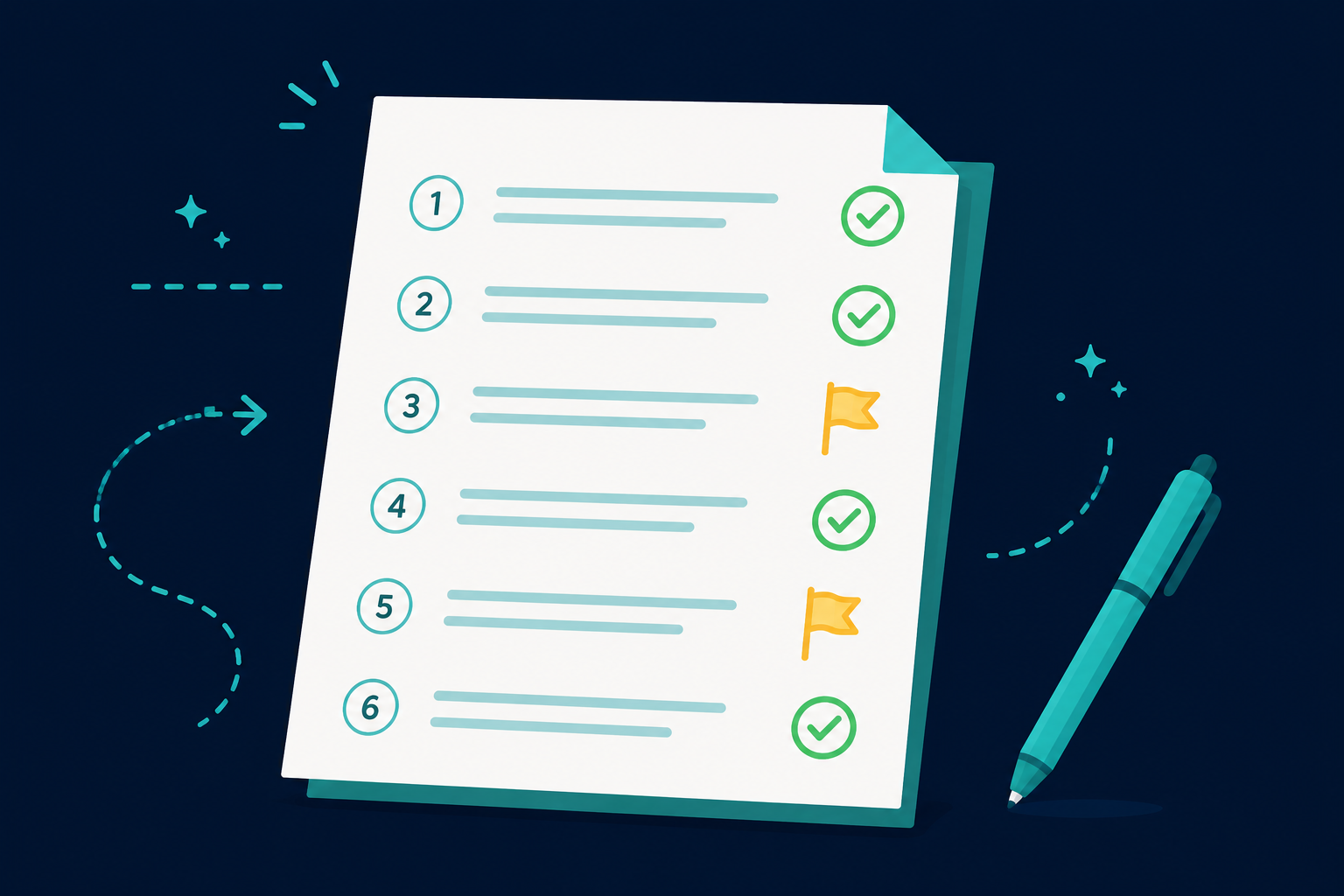
A test is not a race that has to be run in order. Encourage your child to sweep through and answer every question they find easy, leaving a small mark beside any that make them pause. Banking the guaranteed points early builds both momentum and confidence for the harder ones. A tough question met first can rattle a child into freezing. Met last, with easy points already in the bag, that same question feels far less frightening.
Strategy 4: Make multiple choice work for you
Multiple choice rewards a method. Teach your child to answer the question in their head first, before looking at the options, so a tempting wrong answer cannot plant itself. Then read every choice and physically cross out the ones that are clearly wrong. Eliminating two of four options turns a wild guess into a coin flip, then into a strong bet. On the harder items, the wording of the remaining choices often jogs loose the very fact your child needs.
Strategy 5: Watch the clock, then check the work
Time pressure is real, so give it a plan. One quick glance at the whole paper at the start tells your child roughly how long each section can take. Leaving a few minutes at the end is the goal, because that buffer is where dropped negatives, half-finished sentences, and skipped questions finally get caught. Remind them that checking is not the same as doubting yourself. It is simply the professional habit of proofreading work before handing it in.
Strategy 6: Reflect on the errors afterward
The test does not stop teaching when the bell rings. When a graded paper comes back, sit down together and sort every mistake into one of two piles. A content error means the material was genuinely not known. A careless error means it was known but lost to rushing, misreading, or a skipped step. Those two piles call for opposite fixes. Content gaps need more study, while careless slips need slower and steadier habits. Rehearsing all of this with low-stakes practice tests at home is what makes the moves automatic. That matters most ahead of high-stakes standardized tests, where the format itself can trip up a capable child.
How Smart Learn builds test taking into a routine
This is the loop that a tool like Smart Learn is built to close. Each practice round goes in as a Test or Exam event, and the score is saved. Then the Reflect step asks your child to tag each miss as a content error or a careless one. That turns a vague feeling of doing badly into a clear picture of why. Over a few weeks that pattern shows you what to do next, whether that is more review or simply slowing down. Because you and any tutor open the same Smart Review, the whole team can coach the same habits. Strong test taking stops being a mystery and becomes a routine your child can watch improving.
Start a free Smart Learn trial and log your child’s next practice round as a Test event today.