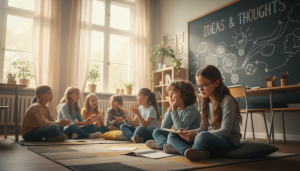

Study Skills for Kids often get little classroom time at the start of the year, yet teachers who teach them early set students up for long-term success. Daniel Willingham noted that many students lacked a clear grasp of effective habits in past interviews, which left learners relying on trial and error later in middle school and high school.
When a teacher models simple ways to process material, children learn to manage notes and assignments. Introducing these ideas at the start of the school day gives students the information they need to handle complex topics.
From flash cards to short, structured practice, the five tips here offer a clear path to better test performance and daily classroom work. These habits build time management and self-regulation that help students beyond elementary grades.
Key Takeaways
- Teach foundational habits at the start of the year to boost long-term success.
- Modeling effective ways helps students move beyond passive learning.
- Short, structured practice and flash cards improve retention.
- Introduce tips early in the day to aid information processing.
- Early habits support note management and self-regulation over time.
Establishing a Productive Study Environment
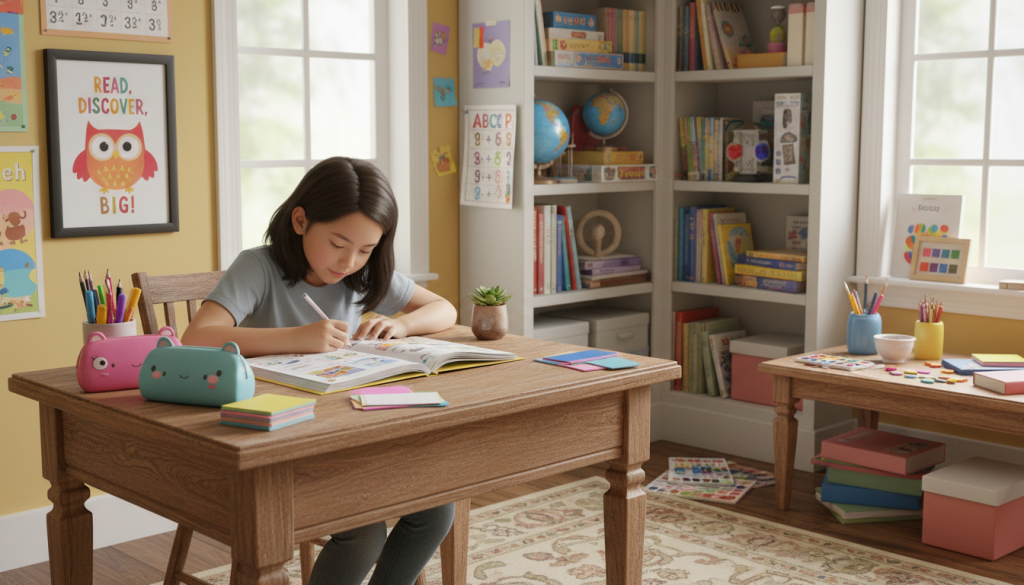
A calm, consistent workspace helps young learners switch into focused mode quickly. A simple, designated spot signals that it is time to work and reduces the mental friction of starting tasks.
The Role of a Dedicated Workspace
Removing devices matters. Research shows that merely having a phone on a desk lowers performance. Even a three-second distraction can double errors when students handle focused tasks.
When a student clears devices and clutter, they gain more time to process their notes and finish assignments. Teachers should encourage removing TVs and game consoles from the study area so the environment supports deep concentration.
- Designate one quiet corner at home or school to signal study mode.
- Keep the desk free of phones and screens during work sessions.
- Use the same spot consistently to build discipline across the school year.
“A dedicated location for studying helps students prepare mentally and avoid the pitfalls of a cluttered workspace.”
Result: With a clear space and routine, students focus faster, make fewer mistakes, and develop habits that last the entire school year.
Mastering Essential Study Skills for Kids
Helping young learners own their routines lets them take charge of new topics with confidence. Middle school and older school students must learn to clarify information before they move on. That responsibility builds steady progress.
Encourage active listening and asking questions. This is a great way to ensure children grasp core material. Students who ask one clear question in class often avoid hours of extra work later.
Teach short summaries and note checks. When a student writes a sentence or two about what they learned, the information sticks. Changing the way notes are handled can improve long-term retention.
- Model active listening and quick clarifying questions.
- Show how to summarize key points in two sentences.
- Offer structured review time so students feel ready before tests.
“When students take small steps to confirm understanding, they build habits that save time and boost confidence.”
The Power of Distributed Practice
Spacing lessons across days helps students absorb material without the rush of last-minute work. Distributed practice spaces learning over time, so information moves from short-term to durable memory.
Avoiding the Cramming Trap
Cramming reduces long-term recall. A 2021 study found middle school students who solved math problems over three weeks scored 21 percentage points higher than those who crammed. Short, regular sessions cut stress and improve test outcomes.
Planning for Long-Term Retention
Use a planner to break assignments into small tasks. Teachers can model this by having students rank-order tasks on the board.
- Break a topic into 20–25 minute blocks (Pomodoro) with short breaks.
- Schedule brief review sessions across several days before a test.
- Have students write one key idea from each session to link notes and activities.
“Planning ahead helps students earn better grades and reduces last-minute pressure.”
Active Retrieval and Self-Testing Techniques
Active recall turns quiet review into a deliberate challenge that strengthens memory. This method asks students to pull facts from memory instead of rereading notes. That extra effort builds stronger recall.
A 2015 study found third-grade learners who used active retrieval scored 34 percentage points higher on tests than peers who only reviewed. Closing books and doing a quick brain dump reveals what information needs more work.
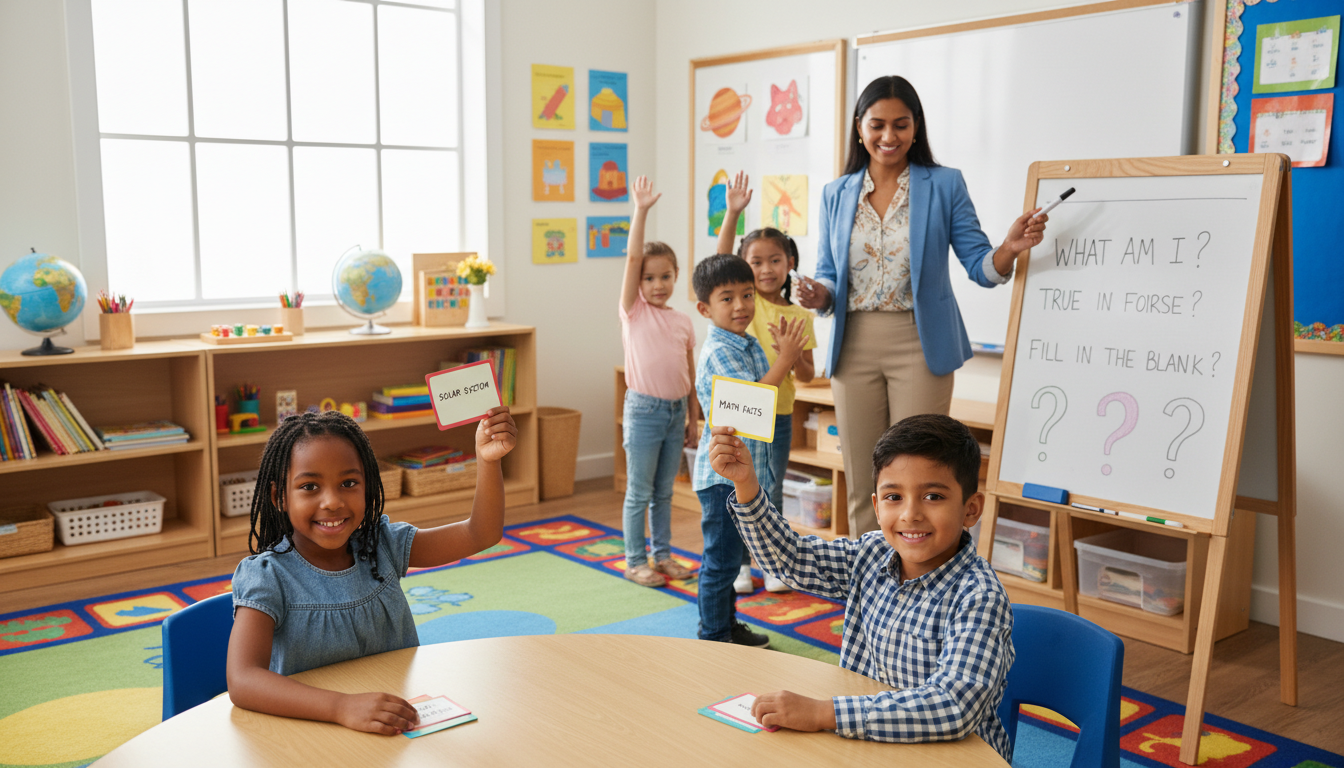
- Flash cards are a proven tool; aim for four or five accurate recalls per card to boost retention by about 40% (2011 finding).
- Self-testing forces retrieval without notes and shows gaps in understanding.
- Use AI chatbots to generate practice questions so students can target weak subject areas.
“When students test themselves, they practice the exact mental work that moves facts into durable memory.”
Result: Regular active retrieval transforms short-term familiarity into long-term mastery and works best when mixed into brief, spaced sessions.
Improving Note-Taking and Information Processing
Notes that capture ideas, not every word, give learners a real advantage later. A 2023 study found student notes hit only 46% of main ideas and supporting details. That gap shows why a better approach matters in class and at test time.
Moving Beyond Verbatim Transcription
High school students often copy lectures word-for-word. This wastes precious review time.
Tip: Encourage paraphrasing. Have students write one-sentence summaries after each topic. That pushes them to process material immediately.
Refining Notes as Living Documents
Education researcher Jane Shore advises revisiting and refining notes after class. Add arrows, margin questions, and quick links to prior ideas.
- Mark confusing points with a question symbol.
- Use arrows to connect new information to what students already know in the same area.
- Test memory twice: once without notes, once with them.
“Effective note-taking helps students organize thoughts and prepare for high-stakes tests.”
Encouraging Peer Teaching and Collaboration
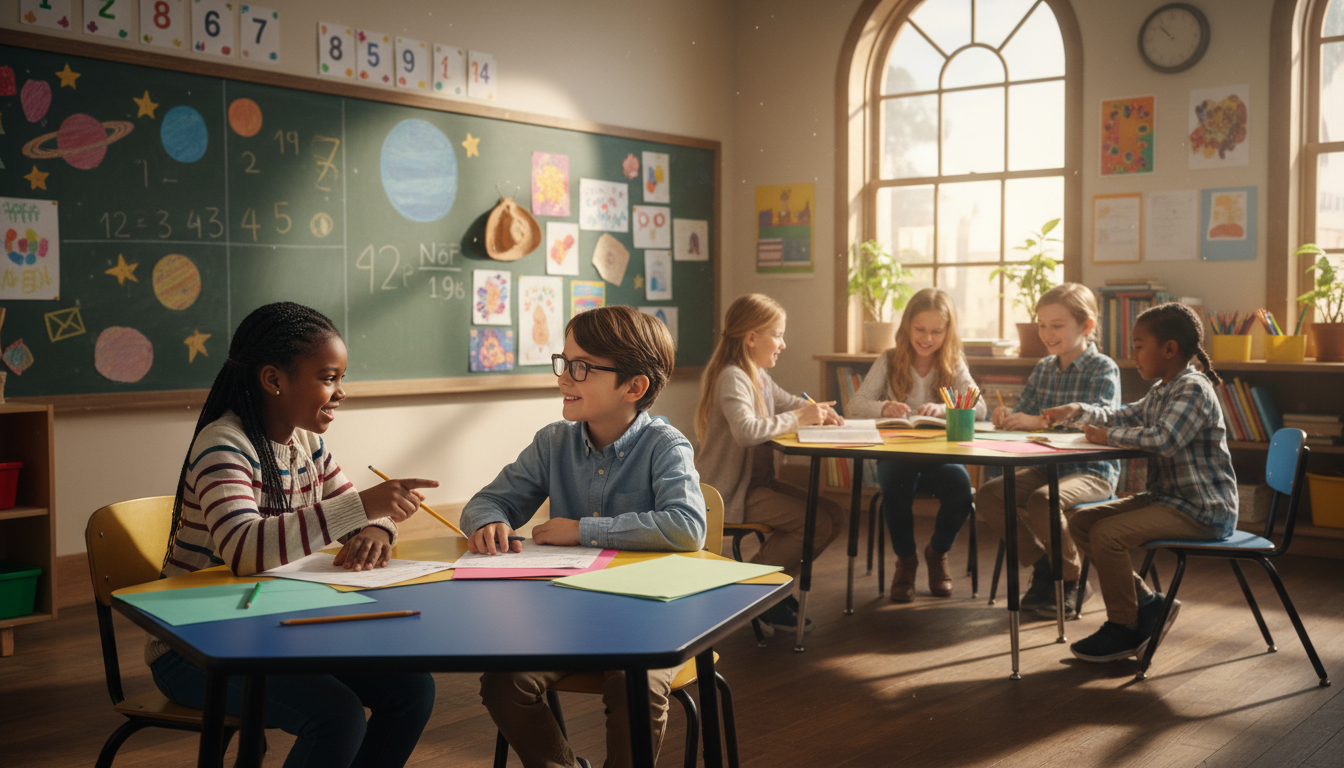
Pairing students to explain a topic aloud helps them spot gaps in understanding fast. A 2024 finding showed learners who taught classmates had higher brain activity and scored about 50 percent better on tests. That makes peer teaching a powerful classroom tool.
Activities like think-pair-share and jigsaw let children swap ideas and crowdsource study tips before a big project. Teachers can schedule short sessions during the school day so peers practice explaining material in their own words.
Even when no partner is available, saying facts out loud to an imagined audience or a rubber duck helps with retrieval and organizes notes. Family members can play the role of listener at home and turn review into a calm, supportive activity.
- Peer teaching reveals gaps quickly and reinforces memory.
- Collaborative activities build confidence and new ways to approach assignments.
- Explaining material in plain words strengthens retention and prepares students for course reviews.
“When students teach others, they must use their own words to clarify information, which reinforces their learning.”
Managing Distractions and Digital Tools
A single buzz can start a chain of clicks that steals valuable focus. Many students underestimate how a phone or notification fragments their minutes and lowers accuracy on tasks.
Minimizing Device Interference
KQED reports 69% of teens believe social media won’t hurt their work. Evidence shows the opposite. A 2014 finding found a three-second interruption can double errors on focused tasks.
Teachers should help students spot specific distractions, like websites or app alerts. Use simple tools: timers set to 25 minutes and short breaks. This structure helps with math and other subject work.
- Clear the space: keep study space free of phones and devices during assignments.
- Time it: try 25-minute intervals and log minutes with and without interruptions.
- Track impact: compare how long tasks take when a cell phone is present versus absent.
“Tracking task time reveals how much digital interruptions slow progress.”
Conclusion
Tiny, regular changes in daily routines can reshape how young learners keep and use material.
Mastering these five habits helps elementary students build a steady base for later school success. Using distributed practice, active retrieval, and peer teaching changes routine study and improves test recall.
Teachers and parents should model methods and give clear time to practice. Children need gentle repetition and chances to reflect at the end of the day on what method helped them keep information and notes.
With consistent effort, these proven study skills become habits that turn hard work into lasting knowledge and real academic success.
FAQ
How long should an elementary learner spend on practice sessions each day?
Short, focused sessions work best. Aim for two to four 15- to 20-minute sessions spread through the day. This supports attention, reduces fatigue, and fits around activities like math homework or reading time. Use a timer and a quiet workspace to help maintain consistency.
What makes a productive study environment at home?
A dedicated workspace that is well-lit, clutter-free, and stocked with basic tools—pencils, paper, flash cards, and a calculator—helps children focus. Keep phones and tablets out of reach unless needed for assignments, and set clear expectations about noise and interruptions during work time.
How can parents help build good learning habits without nagging?
Create routines and offer choices. Let the child pick the order of tasks, set small goals, and celebrate progress. Use checklists and a visible calendar for assignments and tests. Gentle prompts and consistent routines replace repeated reminders and teach responsibility.
What is distributed practice and why is it effective?
Distributed practice spreads review over several days instead of cramming. It strengthens memory by giving the brain time to consolidate information between sessions. For example, review spelling words for a few minutes each day rather than an hour the night before a test.
How do I help my child avoid cramming before tests?
Encourage a study schedule that breaks material into small chunks and includes short, regular review periods. Use practice quizzes and spaced flashcard sessions. Teach planning skills so assignments and review start days earlier, reducing last-minute stress.
What are simple self-testing techniques for young learners?
Use quick retrieval tasks like flash cards, practice quizzes, or asking the child to explain a topic aloud. Turn facts into questions and prompt them to recall answers without notes. This active retrieval builds stronger long-term memory than rereading alone.
How should note-taking look for elementary students?
Notes should be brief and organized with headings, bullets, and visuals. Encourage children to write main ideas, draw simple diagrams, and highlight key vocabulary. This moves them beyond copying everything and helps them process information.
What does it mean to treat notes as “living documents”?
Living notes get updated: add new examples, correct errors, and summarize concepts after class. Regularly reviewing and refining notes reinforces learning and makes them more useful for homework and test prep.
How can peer teaching help my child learn better?
Explaining ideas to classmates or siblings forces the student to organize thoughts and identify gaps. Arrange short study sessions where children teach each other a topic or quiz one another. This boosts confidence and deepens understanding.
What strategies reduce device interference during homework?
Set devices to Do Not Disturb, use parental controls, or place phones in another room during work blocks. If digital tools are needed, limit tabs and use apps like Forest or Focus@Will to encourage concentration. Clear rules and consistent routines make these measures simple to follow.
How can I make review time more engaging for a child who dislikes studying?
Turn review into a game: timed challenges, matching cards, or short quizzes with rewards. Relate material to real life—use cooking to practice fractions or a family walk to discuss science topics. Mixing variety and play keeps practice enjoyable.
Are there tools that help with organization and assignments?
Yes. Simple planners, wall calendars, and apps like Google Keep or Trello (set up with child-friendly boards) help track tasks and deadlines. Visual checklists and color-coded folders for each subject make daily routines easier to follow.
What role should teachers play in building these habits?
Teachers model routines, teach note methods, assign spaced practice activities, and use frequent low-stakes checks for understanding. Communication between school and home ensures strategies like distributed practice and peer teaching are reinforced consistently.